Breast cancer is one of the most common cancers affecting women worldwide. The good news is that when breast cancer is detected early, treatment outcomes are often more successful, less invasive, and can significantly improve survival rates. This is why breast cancer screening plays a vital role in women’s health.
A common question many women ask is: “When should I start breast cancer screening?” The answer depends on factors such as age, family history, lifestyle, and personal risk factors.
In this comprehensive guide, Dr. Kamlesh Verma, breast cancer surgeon in Lucknow, shares expert insights on the ideal age for screening, available screening methods, and the importance of early detection.
Understanding Breast Cancer Screening
Breast cancer screening refers to medical tests performed to detect breast cancer before symptoms appear. Screening helps identify abnormal changes in breast tissue at an early stage when treatment is most effective.
Many women with early-stage breast cancer experience no noticeable symptoms. Regular screening can detect small tumors long before they can be felt during a self-examination.
Why Early Detection Matters
Early detection offers several benefits:
- Higher treatment success rates
- Increased survival chances
- Less aggressive treatment options
- Better quality of life during recovery
- Reduced healthcare costs associated with advanced cancer treatment
According to cancer specialists, regular screening remains one of the most effective tools in reducing breast cancer-related deaths.
At What Age Should Women Start Breast Cancer Screening?
The recommended age for breast cancer screening varies based on an individual’s risk profile.
Women at Average Risk
Women who have no personal history of breast cancer, no strong family history, and no genetic mutations are generally considered at average risk.
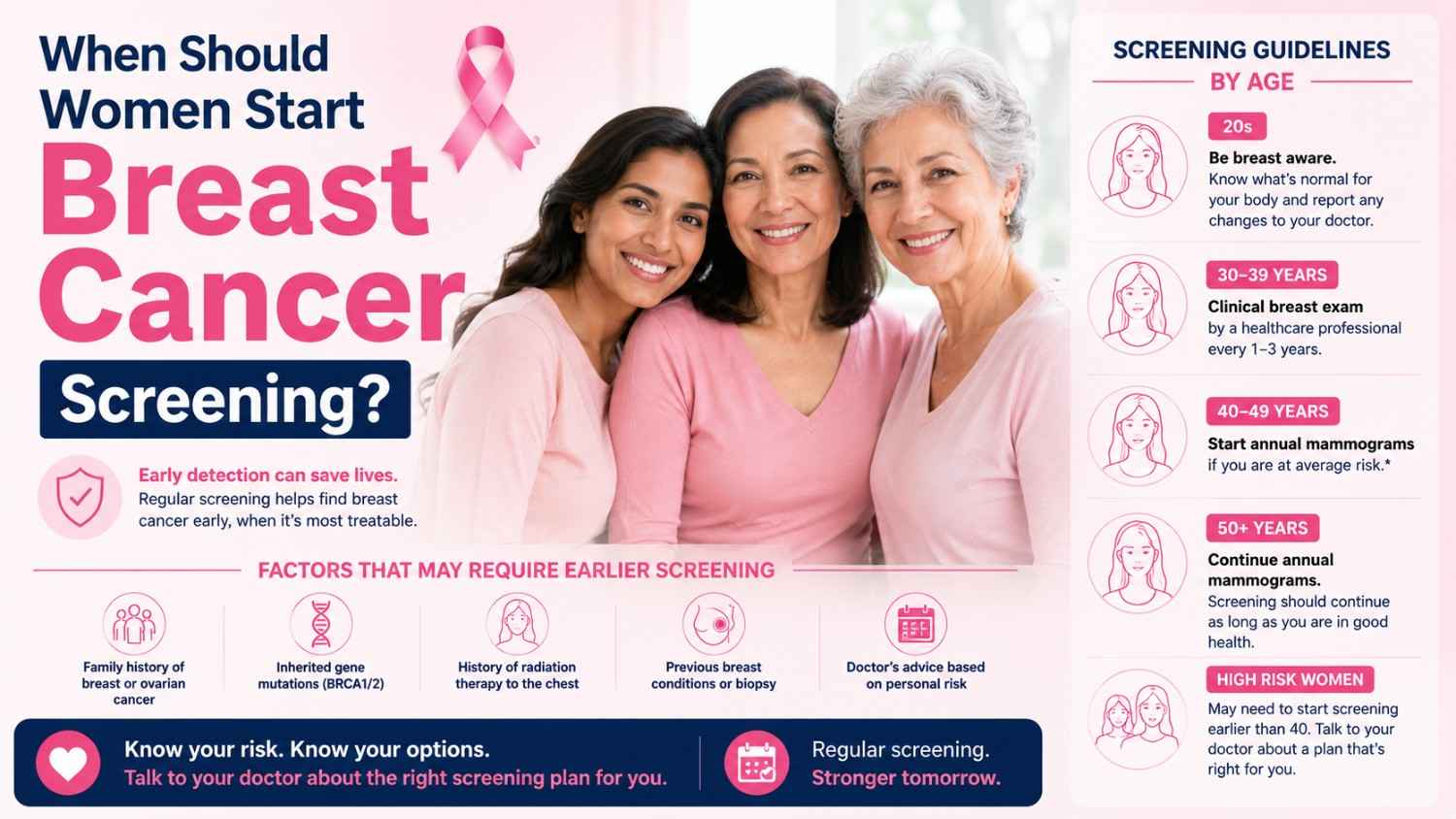
Age 20–39 Years
Women in this age group should:
- Be aware of normal breast changes
- Perform regular breast self-awareness checks
- Undergo clinical breast examinations as advised by their doctor
- Report any unusual symptoms immediately
Routine mammograms are usually not recommended for average-risk women under 40 unless specific concerns arise.
Also Read: Why Instant Loan Apps Are Becoming Popular in Tier-2 and Tier-3 Cities
Age 40–44 Years
Women between 40 and 44 have the option to begin annual mammography screening after discussing the benefits and risks with their healthcare provider.
Many breast cancer specialists encourage women to become proactive about screening at this stage.
Age 45–54 Years
Most international guidelines recommend:
- Annual mammograms for women aged 45 to 54
This age group experiences a higher incidence of breast cancer, making yearly screening particularly important.
Age 55 and Above
Women aged 55 and older may:
- Continue annual mammograms, or
- Switch to screening every two years
Screening should continue as long as a woman remains in good health and has a life expectancy of at least 10 years.
Women at High Risk Need Earlier Screening
Some women have a significantly higher risk of developing breast cancer and may need screening earlier than age 40.
High-Risk Factors Include:
- Family history of breast cancer
- BRCA1 or BRCA2 gene mutations
- Personal history of breast cancer
- Previous chest radiation therapy
- Strong family history of ovarian cancer
- Certain inherited genetic syndromes
For high-risk women, doctors may recommend:
- Starting mammograms before age 40
- Annual breast MRI scans
- More frequent clinical examinations
Consulting an experienced breast cancer specialist can help determine the most appropriate screening schedule.
Common Breast Cancer Screening Methods
1. Mammography
A mammogram is an X-ray examination of the breast and remains the gold standard for breast cancer screening.
Benefits of Mammography:
- Detects cancer before symptoms appear
- Identifies small tumors
- Finds microcalcifications associated with cancer
- Improves treatment outcomes
Digital mammography has further enhanced the accuracy of breast cancer detection.
2. Clinical Breast Examination (CBE)
A clinical breast examination is performed by a healthcare professional who checks for:
- Breast lumps
- Skin changes
- Nipple abnormalities
- Swelling or tenderness
Clinical exams complement mammography but should not replace regular imaging.
3. Breast MRI
Magnetic Resonance Imaging (MRI) is often recommended for women at high risk.
MRI provides highly detailed breast images and can detect abnormalities that may not be visible on mammograms.
4. Breast Ultrasound
Ultrasound uses sound waves to evaluate breast tissue and is particularly useful for:
- Women with dense breasts
- Investigating suspicious findings
- Differentiating solid masses from cysts
It is commonly used alongside mammography rather than as a replacement.
Symptoms That Should Never Be Ignored
Even if you are following a regular screening schedule, it’s important to seek medical attention if you notice:
- A lump in the breast or underarm
- Changes in breast size or shape
- Nipple discharge, especially bloody discharge
- Persistent breast pain
- Skin dimpling or puckering
- Redness or thickening of breast skin
- Inverted nipple changes
Prompt evaluation can help identify whether these symptoms are related to breast cancer or another condition.
The Role of Breast Self-Awareness
Modern experts emphasize breast self-awareness rather than rigid monthly self-exams.
Women should become familiar with:
- Their normal breast appearance
- Breast texture and feel
- Natural changes during menstrual cycles
Being aware of your normal baseline makes it easier to detect unusual changes and seek timely medical evaluation.
Breast Cancer Screening During Menopause
Breast cancer risk increases with age, making screening even more important after menopause.
Postmenopausal women should:
- Continue routine mammograms
- Attend regular health check-ups
- Maintain a healthy lifestyle
- Discuss any breast changes immediately with their doctor
Many breast cancer cases are diagnosed in women over 50, highlighting the need for ongoing vigilance.
How Lifestyle Impacts Breast Cancer Risk
Although screening is essential, healthy lifestyle choices can help reduce breast cancer risk.
Risk-Reducing Habits Include:
- Maintaining a healthy weight
- Exercising regularly
- Limiting alcohol consumption
- Avoiding tobacco use
- Eating a balanced diet rich in fruits and vegetables
- Managing stress effectively
These habits support overall health and may contribute to cancer prevention.
Why Choose Dr. Kamlesh Verma for Breast Cancer Care in Lucknow?
When it comes to breast health, expert guidance can make all the difference. Dr. Kamlesh Verma, a trusted breast cancer doctor in Lucknow, specializes in breast cancer diagnosis, screening, surgical treatment, and patient-centered cancer care.
At CareMyCancer, patients receive:
- Personalized breast cancer screening guidance
- Advanced diagnostic support
- Comprehensive treatment planning
- Compassionate and expert cancer care
- Long-term follow-up and survivorship support
Whether you have concerns about your breast health or need a screening consultation, early evaluation can provide peace of mind and potentially save lives.
Conclusion
Breast cancer screening is one of the most effective ways to detect breast cancer at an early and highly treatable stage. For most women, discussions about screening should begin around age 40, while those with higher risk factors may need earlier and more frequent testing.
The key message is simple: don’t wait for symptoms to appear. Regular screening, awareness of breast changes, and timely medical consultations can significantly improve outcomes.
If you are unsure about when to start breast cancer screening or need expert advice, consult Dr. Kamlesh Verma, Breast Cancer Surgeon in Lucknow, at CareMyCancer for personalized guidance and comprehensive breast health care.
About the Author