Cancer is one of the most challenging health conditions affecting millions of people worldwide. While hearing the word “cancer” can be frightening, advancements in medical science have significantly improved treatment outcomes. Among the various treatment options available, cancer surgery remains one of the most effective methods for treating many types of cancer, especially when diagnosed early.
Also Read: Key Factors to Consider When Selecting Aluminium Windows for Residential & Commercial Spaces
But can cancer really be cured with surgery? The answer depends on several factors, including the type of cancer, its stage, location, and the patient’s overall health. In this article, we’ll explore when surgery can cure cancer, how it works, and when it is considered the best treatment option.
What Is Cancer Surgery?
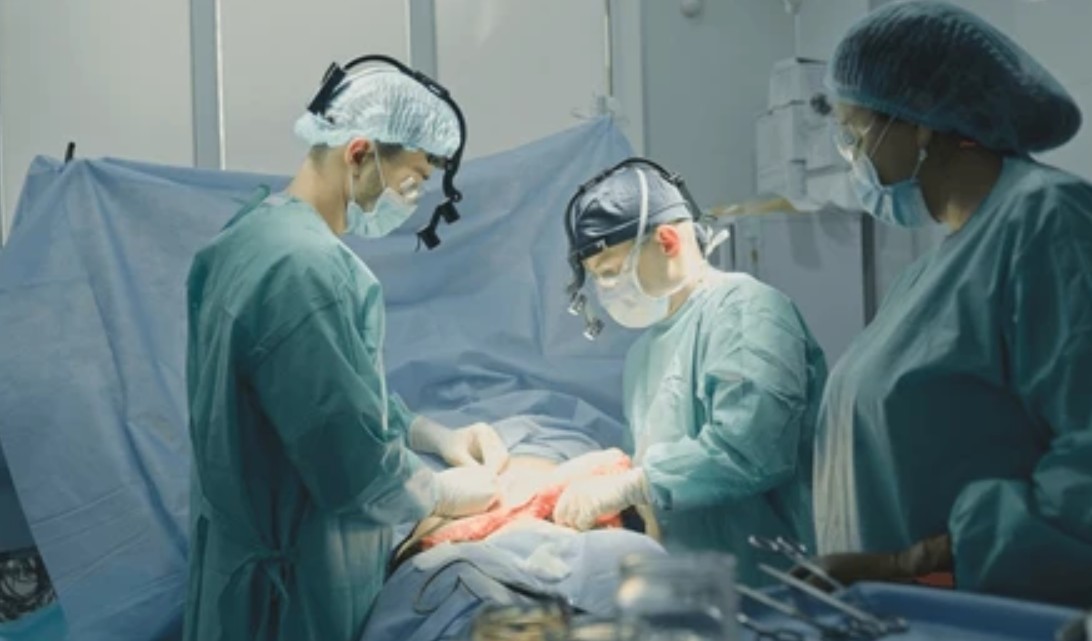
Cancer surgery is a medical procedure in which a surgeon removes a cancerous tumor along with a margin of healthy tissue surrounding it. The goal is to eliminate all cancer cells from the body while preserving as much healthy tissue as possible.
For many solid tumors such as breast cancer, colon cancer, oral cancer, thyroid cancer, and certain lung cancers, surgery is often the primary treatment and may provide a complete cure when the disease is detected at an early stage.
Can Surgery Cure Cancer?
Yes, surgery can cure cancer, but only under specific circumstances. Surgery is most effective when:
- The cancer is localized and has not spread to other organs.
- The tumor can be completely removed.
- There are no microscopic cancer cells left behind after surgery.
- The patient is healthy enough to undergo the procedure.
When these conditions are met, surgery alone may be sufficient to eliminate the disease. However, in some cases, surgery is combined with chemotherapy, radiation therapy, targeted therapy, or immunotherapy to improve the chances of long-term recovery.
When Is Surgery the Best Option?
1. Early-Stage Cancer
If cancer is diagnosed in its early stages, surgery often offers the highest chance of a cure. Early detection allows surgeons to remove the tumor before it spreads to nearby lymph nodes or distant organs.
Examples include:
- Stage I breast cancer
- Stage I colon cancer
- Early oral cancer
- Localized thyroid cancer
2. Localized Solid Tumors
Surgery works best for cancers that form a solid mass. These include:
- Colon cancer
- Breast cancer
- Oral cancer
- Kidney cancer
- Thyroid cancer
- Liver cancer (selected cases)
- Lung cancer (early stage)
Blood cancers such as leukemia are generally not treated with surgery because they do not form a single removable tumor.
3. Tumors Causing Symptoms
Sometimes surgery is recommended even if cancer cannot be completely cured. Removing part or all of a tumor may relieve pain, bleeding, bowel obstruction, or difficulty swallowing, significantly improving the patient’s quality of life.
Types of Cancer Surgery
Modern surgical oncology offers several techniques depending on the patient’s condition.
Open Surgery
The traditional approach involving a larger incision to remove the tumor.
Minimally Invasive Surgery
Performed using small incisions and specialized instruments, resulting in less pain and faster recovery.
Laparoscopic Surgery
Widely used for abdominal cancers, including colon cancer.
Robotic Cancer Surgery
Robot-assisted surgery provides enhanced precision, smaller incisions, reduced blood loss, shorter hospital stays, and quicker recovery. It has become an excellent option for many complex cancer surgeries.
Benefits of Cancer Surgery
Cancer surgery offers several advantages:
- Removes the entire visible tumor
- Offers the possibility of complete cure
- Helps determine the exact stage of cancer
- Relieves cancer-related symptoms
- Improves survival rates
- Works effectively with chemotherapy or radiation when needed
- Faster recovery with minimally invasive techniques
Can Surgery Alone Treat Cancer?
Not always.
Some cancers require additional treatments after surgery to destroy microscopic cancer cells that may remain in the body. This is called adjuvant therapy.
These additional treatments may include:
- Chemotherapy
- Radiation therapy
- Targeted therapy
- Immunotherapy
- Hormone therapy
Your oncology team develops a personalized treatment plan based on the pathology report and cancer stage.
Surgery for Colon Cancer
Colon cancer is one of the cancers most successfully treated with surgery.
During colon cancer surgery, the affected section of the colon and nearby lymph nodes are removed. If diagnosed early, surgery alone may completely cure the disease. More advanced stages often require chemotherapy after surgery.
If you’re looking for an experienced colon cancer surgeon in Lucknow, choosing a specialist with expertise in advanced laparoscopic and robotic colorectal surgery can significantly improve treatment outcomes and recovery.
An experienced colon cancer surgeon in Lucknow also ensures accurate staging, safe tumor removal, and comprehensive post-operative care.
Factors That Affect Surgical Success
Several factors determine whether surgery will successfully cure cancer:
Stage of Cancer
Earlier-stage cancers have higher cure rates.
Tumor Size
Smaller tumors are generally easier to remove completely.
Cancer Location
Some tumors are located near vital organs, making surgery more complex.
Patient’s Overall Health
Patients in good health usually recover faster and tolerate surgery better.
Surgeon’s Expertise
The experience of the surgical oncologist plays a critical role in treatment success. Choosing the best oncologist in Lucknow can provide access to advanced surgical techniques, multidisciplinary care, and personalized treatment planning.
Patients seeking treatment should consult the best cancer surgeon in Lucknow for a thorough evaluation and recommendations tailored to their specific cancer type and stage.
Recovery After Cancer Surgery
Recovery varies depending on the type of surgery performed.
Most patients can expect:
- Hospital stay ranging from 1–7 days
- Pain management with modern medications
- Gradual return to normal activities
- Regular follow-up appointments
- Imaging tests to monitor recovery
- Lifestyle changes to reduce recurrence risk
Patients undergoing minimally invasive or robotic surgery often experience faster healing and fewer complications.
Risks of Cancer Surgery
Like any surgical procedure, cancer surgery carries some risks, including:
- Bleeding
- Infection
- Blood clots
- Delayed wound healing
- Damage to nearby organs
- Temporary fatigue
Fortunately, modern surgical techniques and experienced oncology teams have significantly reduced these risks.
Tips for Choosing the Right Cancer Surgeon
Selecting the right surgeon can make a significant difference in your treatment journey. Consider the following:
- Look for a qualified Surgical Oncologist.
- Check years of experience and specialization.
- Ask about robotic or minimally invasive surgery options.
- Choose a hospital with advanced cancer care facilities.
- Read patient reviews and success stories.
- Ensure multidisciplinary cancer care is available.
Conclusion
Cancer surgery continues to be one of the most powerful and effective treatments for many types of cancer. When diagnosed early and treated by an experienced surgical oncologist, surgery can completely remove the disease and offer an excellent chance of long-term survival.
However, every patient’s condition is unique. The decision to undergo surgery depends on the type, stage, and location of cancer, as well as overall health. Consulting an experienced cancer specialist ensures the most appropriate treatment plan and the best possible outcome.
If you or a loved one has been diagnosed with cancer, don’t delay seeking expert medical advice. Early diagnosis, timely surgery, and comprehensive cancer care can make a life-changing difference.
Frequently Asked Questions (FAQs)
1. Can surgery completely cure cancer?
Yes. Surgery can completely cure many early-stage cancers when the tumor is localized and can be entirely removed.
2. Is surgery always the first treatment for cancer?
No. The treatment plan depends on the cancer type, stage, and overall health. Some cancers require chemotherapy or radiation before surgery.
3. Which cancers are commonly treated with surgery?
Breast cancer, colon cancer, oral cancer, thyroid cancer, kidney cancer, and early-stage lung cancer are commonly treated with surgery.
4. Is robotic cancer surgery better than open surgery?
Robotic surgery offers smaller incisions, less pain, reduced blood loss, and faster recovery for many suitable patients.
5. How do I choose the right cancer surgeon?
Choose a board-certified surgical oncologist with extensive experience, modern surgical expertise, and access to a multidisciplinary cancer care team.
About the Author