Stroke is one of the leading causes of long-term disability worldwide. It can affect movement, speech, memory, and overall quality of life. While traditional rehabilitation therapies such as physiotherapy, occupational therapy, and speech therapy remain the foundation of stroke recovery, many patients and caregivers are now exploring advanced treatment options that may support healing and improve outcomes.
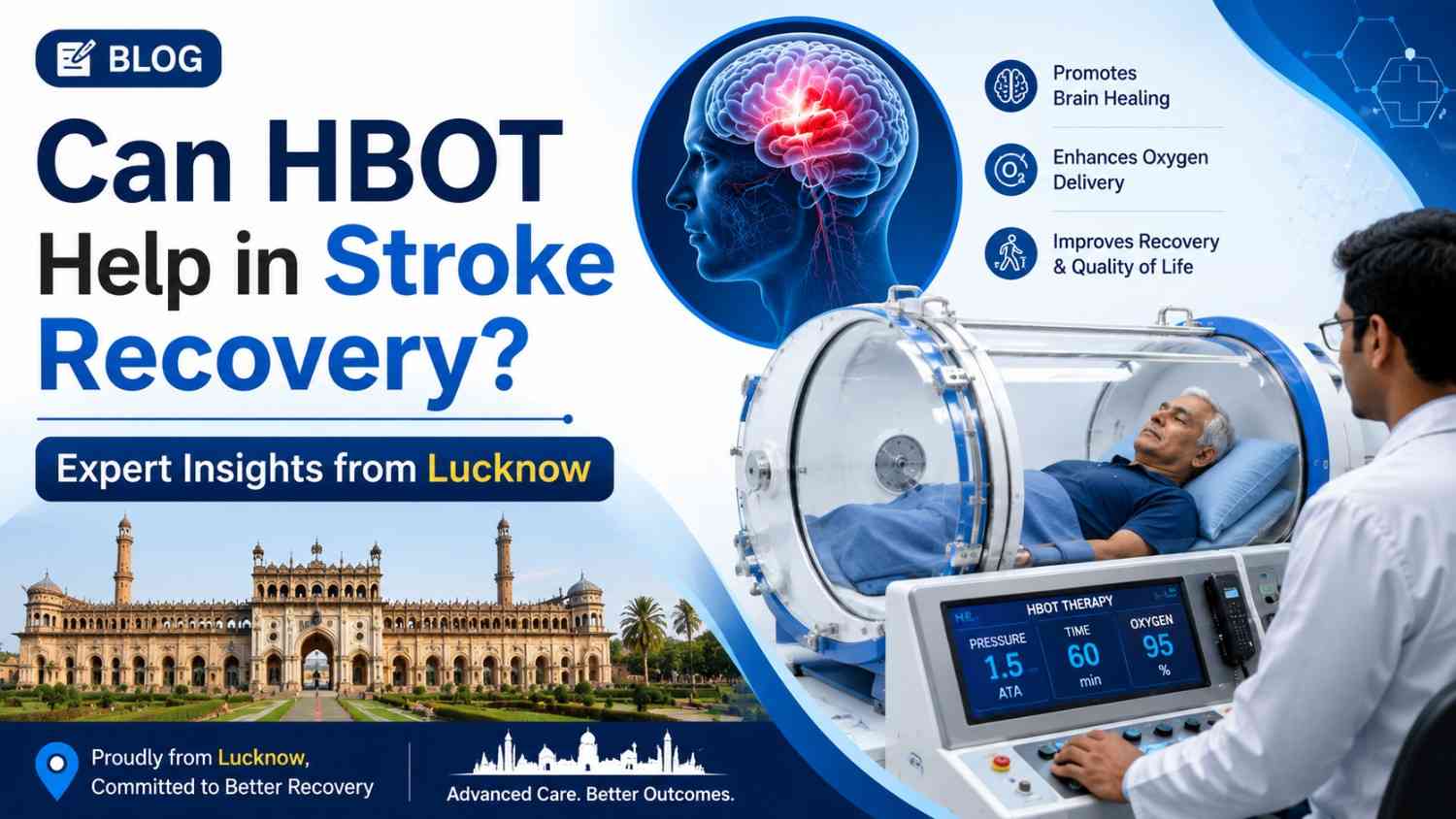
One such emerging therapy is Hyperbaric Oxygen Therapy (HBOT). Over the past few years, HBOT has gained significant attention for its potential role in neurological recovery, including stroke rehabilitation. At HBOT Lucknow, patients often ask whether HBOT can truly help after a stroke and what benefits they can realistically expect.
In this article, we explore the science behind HBOT, its potential role in stroke recovery, and expert insights from specialists in Lucknow.
Understanding Stroke and Its Impact
A stroke occurs when blood flow to a part of the brain is interrupted or reduced, preventing brain tissue from receiving oxygen and nutrients. Brain cells begin to die within minutes, leading to various physical and cognitive impairments.
The two main types of stroke are:
- Ischemic Stroke: Caused by a blockage in a blood vessel supplying the brain.
- Hemorrhagic Stroke: Caused by bleeding within or around the brain.
Depending on the area affected, stroke survivors may experience:
- Weakness or paralysis on one side of the body
- Difficulty speaking or understanding language
- Memory and concentration problems
- Balance and coordination issues
- Emotional and behavioral changes
Recovery after stroke varies from person to person and often requires a combination of medical care and rehabilitation therapies.
What Is Hyperbaric Oxygen Therapy (HBOT)?
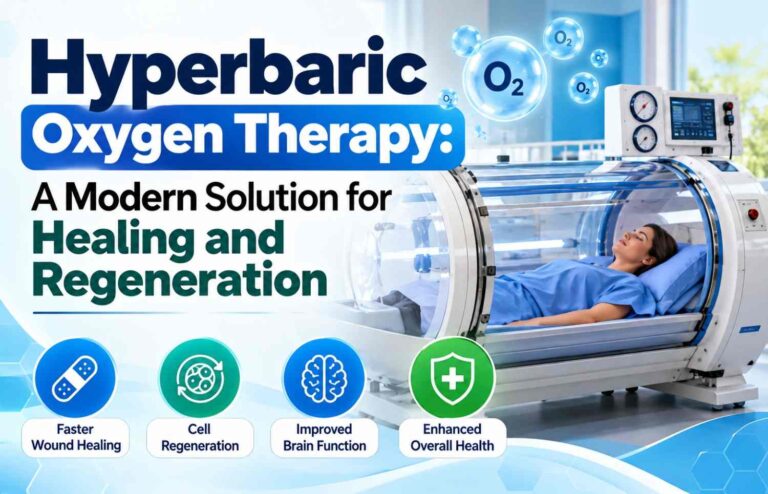
Hyperbaric Oxygen Therapy is a non-invasive treatment in which a patient breathes 100% pure oxygen inside a specially designed pressurized chamber.
Under increased atmospheric pressure, the lungs can absorb significantly more oxygen than under normal conditions. This oxygen-rich blood is then delivered throughout the body, including areas that may have reduced circulation or tissue damage.
HBOT has been widely used for conditions such as:
- Decompression sickness
- Carbon monoxide poisoning
- Non-healing wounds
- Radiation injuries
- Severe infections
Researchers are also studying its role in neurological conditions, including traumatic brain injuries and stroke recovery.
How HBOT May Support Stroke Recovery
Although HBOT is not a cure for stroke, it may help support the body’s natural healing processes in several ways.
1. Improved Oxygen Delivery to Brain Tissue
After a stroke, some brain cells may not die completely but become dormant due to insufficient oxygen supply. These cells may still have the potential to function if they receive adequate oxygen and support.
HBOT increases oxygen levels in the bloodstream, potentially helping oxygen reach areas of the brain that are struggling to recover.
2. Enhanced Neuroplasticity
The brain has an incredible ability called neuroplasticity, which allows it to reorganize and create new neural pathways after injury.
Research suggests that HBOT may stimulate neuroplasticity by creating an environment that supports cellular repair and regeneration. This may contribute to improvements in motor skills, speech, and cognitive functions.
3. Reduced Inflammation
Inflammation is a natural response after stroke, but excessive or prolonged inflammation may hinder recovery.
HBOT has been shown in some studies to reduce inflammation and oxidative stress, potentially creating a more favorable environment for healing.
4. Promotion of New Blood Vessel Formation
Hyperbaric oxygen may stimulate angiogenesis, the formation of new blood vessels. Improved circulation can help deliver oxygen and nutrients to recovering tissues and support long-term brain health.
Also Read: The Future of Cardiac Care: AI, Robotics, and Advanced Heart Treatments
5. Support for Rehabilitation Outcomes
Many experts believe HBOT works best when combined with conventional rehabilitation programs. Patients undergoing physiotherapy, occupational therapy, and speech therapy may benefit from improved energy and neurological function, allowing them to engage more effectively in rehabilitation sessions.
What Does Research Say About HBOT and Stroke Recovery?
The scientific community continues to study HBOT’s role in stroke rehabilitation.
Several clinical studies have reported encouraging results, including:
- Improved motor function
- Better balance and coordination
- Enhanced cognitive performance
- Improved speech and communication abilities
- Increased independence in daily activities
Some studies suggest that even chronic stroke patients who experienced a stroke months or years earlier may still benefit from HBOT under appropriate medical supervision.
However, experts also emphasize that results vary depending on factors such as:
- Type of stroke
- Severity of brain injury
- Patient age
- Overall health condition
- Timing of treatment
- Rehabilitation participation
More large-scale research is ongoing to better understand the full extent of HBOT’s benefits for stroke recovery.
Who May Be a Suitable Candidate for HBOT After Stroke?
HBOT is not suitable for every stroke survivor. A comprehensive medical evaluation is necessary before beginning treatment.
Patients who may be considered for HBOT include:
- Individuals experiencing ongoing neurological deficits after stroke
- Patients with mobility challenges
- Those facing speech or cognitive difficulties
- Individuals seeking additional support alongside conventional rehabilitation
A specialist will assess medical history, current health status, imaging reports, and recovery goals before recommending treatment.
What Happens During an HBOT Session?
Many patients feel anxious before their first HBOT session, but the procedure is generally comfortable and non-invasive.
A typical session involves:
- Entering a hyperbaric chamber.
- Gradual increase in pressure.
- Breathing pure oxygen for a prescribed duration.
- Slow return to normal pressure levels.
Sessions usually last between 60 and 90 minutes, depending on the treatment protocol.
Most patients can relax, read, watch entertainment, or simply rest during the session.
Benefits Patients Often Report
While individual experiences differ, some stroke survivors undergoing HBOT have reported:
- Better concentration and focus
- Improved memory
- Increased energy levels
- Enhanced mobility
- Better muscle coordination
- Improved speech clarity
- Greater confidence in daily activities
These improvements are often most noticeable when HBOT is integrated into a structured rehabilitation program.
Expert Insights from HBOT Lucknow
Specialists at HBOT Lucknow emphasize that recovery from stroke is a gradual process requiring patience and a personalized treatment approach.
HBOT should not replace standard medical care but may serve as a complementary therapy that supports rehabilitation efforts.
Experts recommend:
- Early medical evaluation
- Consistent rehabilitation exercises
- Proper nutrition
- Regular follow-up appointments
- Realistic recovery expectations
Each patient’s journey is unique, and treatment plans should be tailored to individual needs and goals.
Growing Interest in HBOT Across North India
The increasing awareness of hyperbaric medicine has led many patients from different cities to explore this advanced therapy.
People searching for HBOT in Allahabad are increasingly learning about the potential benefits of oxygen-based therapies for neurological recovery and chronic health conditions.
Similarly, awareness regarding HBOT in Gorakhpur is growing as more patients seek innovative rehabilitation options that complement traditional medical treatments.
This growing interest reflects the broader recognition of HBOT as a supportive therapy in modern healthcare.
Is HBOT Safe?
When administered by trained professionals, HBOT is generally considered safe.
Common temporary side effects may include:
- Ear pressure discomfort
- Mild fatigue
- Temporary vision changes
- Sinus pressure
Serious complications are rare when proper medical protocols are followed.
Patients should always undergo a detailed medical assessment before beginning therapy.
Conclusion
Stroke recovery can be challenging, but advances in medical technology continue to provide new opportunities for rehabilitation. Hyperbaric Oxygen Therapy is emerging as a promising complementary treatment that may support neurological healing, improve oxygen delivery to damaged tissues, and enhance rehabilitation outcomes.
While HBOT is not a miracle cure, growing clinical evidence suggests it may help certain stroke survivors regain function and improve their quality of life. The best results are typically achieved when HBOT is integrated with comprehensive rehabilitation programs and guided by experienced healthcare professionals.
At HBOT Lucknow, experts are committed to helping patients explore evidence-based treatment options and develop personalized recovery plans. If you or a loved one is recovering from a stroke, consulting an HBOT specialist may be an important step toward understanding whether this innovative therapy could be beneficial for your rehabilitation journey.
About the Author