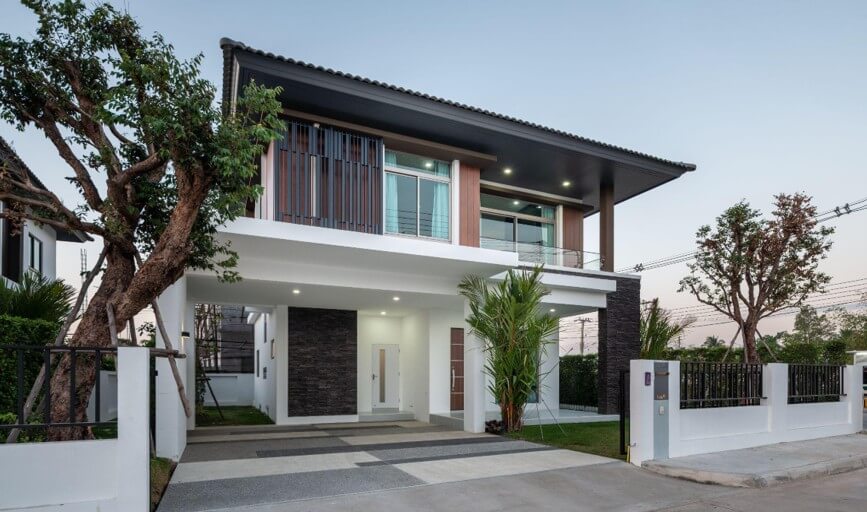
Selecting the right windows plays a crucial role in enhancing comfort, functionality, and aesthetics in any property. Whether for homes, offices, retail outlets, or commercial buildings, the right window system impacts ventilation, energy efficiency, security, and long-term value. Among modern window solutions, aluminium windows remain a preferred choice for their durability, sleek appearance, and reliable performance. However, choosing the ideal aluminium window system involves more than just aesthetics. Residential and commercial properties have distinct requirements, making it essential to evaluate several practical factors before making a decision.
1. Understand the Purpose of the Space
The needs of a residential property are different from those of a commercial building, so choosing the right window system depends on how the space will be used.
- Residential spaces: Focus on comfort, privacy, natural light, ventilation, and overall aesthetics.
- Commercial spaces: Prioritise durability, long-term performance, noise reduction, efficiency, and an aesthetic look.
- Multi-use properties: Need a balance between functionality and design flexibility.
Many reputable brands, such as TOSTEM, offer product ranges to suit different needs. For example, the ATIS series features sleek and minimalist designs ideal for modern homes, while the GRANTS series features expansive isometric frames designed with premium aesthetics, superior performance, and durability in mind, making it an ideal choice for luxury homes and high-rise villas.
2. Prioritise Durability and Structural Strength
One of the biggest benefits of aluminium windows is their durability. They are lightweight yet strong, making them suitable for both homes and office spaces.
When choosing aluminium windows, consider:
- Resistance to warping, swelling, or cracking
- Ability to handle changing weather conditions
- Corrosion-resistant finishes for long-lasting use
- Strong frames that can support larger glass panels
Many premium aluminium window systems are also tested for strength, weather resistance, and long-term performance, helping ensure reliability even in harsh conditions.
3. Ensure Design Compatibility with Architecture
Windows are a major architectural feature and significantly influence a building’s visual identity. Aluminium systems are available in a wide range of styles, making them suitable for both modern and traditional designs. Key aspects to evaluate include:
- Whether the window style complements the building’s architecture
- Frame profiles that support a sleek, contemporary appearance
- Window sizes that maximise daylight penetration
- Designs suited to either residential warmth or professional environments
Slim aluminium profiles are increasingly popular as they create a minimalist aesthetic while allowing for larger glass surfaces and uninterrupted views.
Must Read:- Ultra-Slim Aluminium Sliding Doors: Why Less Frame is More View
4. Evaluate Energy Efficiency
Energy-efficient windows contribute to a more comfortable indoor environment while helping regulate temperatures throughout the year. Poorly chosen systems can lead to excessive heat gain or loss, affecting comfort and increasing energy consumption.
Focus on features such as:
- Thermal insulation performance
- Appropriate glazing options
- Improved indoor temperature control
- Reduced reliance on cooling or heating systems
This becomes especially important in commercial properties, where larger glass areas can significantly influence indoor climate management.
5. Consider Ventilation and Natural Light
Proper ventilation and access to daylight can greatly improve comfort, productivity, and overall ambiance. Since different window styles offer varying levels of airflow, it is important to choose solutions that match the space’s specific needs.
Important considerations include:
- Strategic window placement for improved airflow
- Styles designed for ventilation efficiency
- A balance between privacy and natural lighting
- Comfort requirements for different room types
While homes often prioritise openness and daylight, office spaces may place greater emphasis on productivity and employee wellbeing.
6. Assess Security Features
Security is a critical factor in both residential and commercial settings. High-quality aluminium window systems can support advanced locking mechanisms and strong framing for enhanced protection.
Look for:
- Reliable multi-point locking systems
- Durable frame construction
- Safety considerations for families with children
- Enhanced protection for offices, retail outlets, or commercial spaces
Brands like TOSTEM integrate security directly into their design engineering. Their windows feature proprietary multi-point locks and crescent locks with additional safety buttons, ensuring that safety does not compromise the sleek look of the window profile.
7. Optimise Space Efficiency
In urban environments where space is limited, selecting practical window and door solutions becomes even more important. For instance, folding sliding doors can create a seamless transition between indoor and outdoor spaces while maximising usable space. These systems are particularly suitable for:
- Residential balconies and patios
- Cafés and restaurants
- Retail stores and showrooms
- Flexible, multi-purpose spaces
Space-efficient designs enhance convenience while maintaining a modern, open feel.
Also Read: Data Protection in Loan Apps: What Changed in 2026
8. Consider Long-Term Maintenance
Maintenance requirements are another important practical consideration. Aluminium systems are generally known for being low maintenance, making them ideal for both busy households and commercial establishments.
Before finalising your choice, assess:
- Ease of cleaning
- Surface finish quality
- Long-term operational performance
- Reduced need for repairs or replacements
Selecting a reliable system can help preserve both functionality and appearance for years.
Conclusion
Choosing the right aluminium windows for residential and commercial spaces requires balancing aesthetics, functionality, and long-term performance. Factors such as durability, energy efficiency, ventilation, security, maintenance, and space optimisation all play an important role in making the right decision. A thoughtful selection process ensures that your windows do more than enhance visual appeal; they also contribute to comfort, efficiency, and practicality for years to come.
About the Author