Heart health is something many people tend to overlook until symptoms become severe. However, your heart often gives warning signs before a serious condition develops. Recognizing these symptoms early and seeking timely medical attention can make a significant difference in preventing complications such as heart attacks, heart failure, or stroke.
If you experience certain symptoms, consulting a cardiologist immediately is essential. In this article, we will discuss the most important signs that indicate you may need urgent cardiac evaluation and why early intervention can save lives.
Why Early Cardiology Consultation Matters
Cardiovascular diseases remain one of the leading causes of death worldwide. Many heart-related conditions develop gradually and may not show obvious symptoms in the early stages. Delaying medical attention can increase the risk of severe complications.
A timely consultation with an experienced cardiologist can help identify underlying issues, recommend appropriate diagnostic tests, and start treatment before the condition worsens.
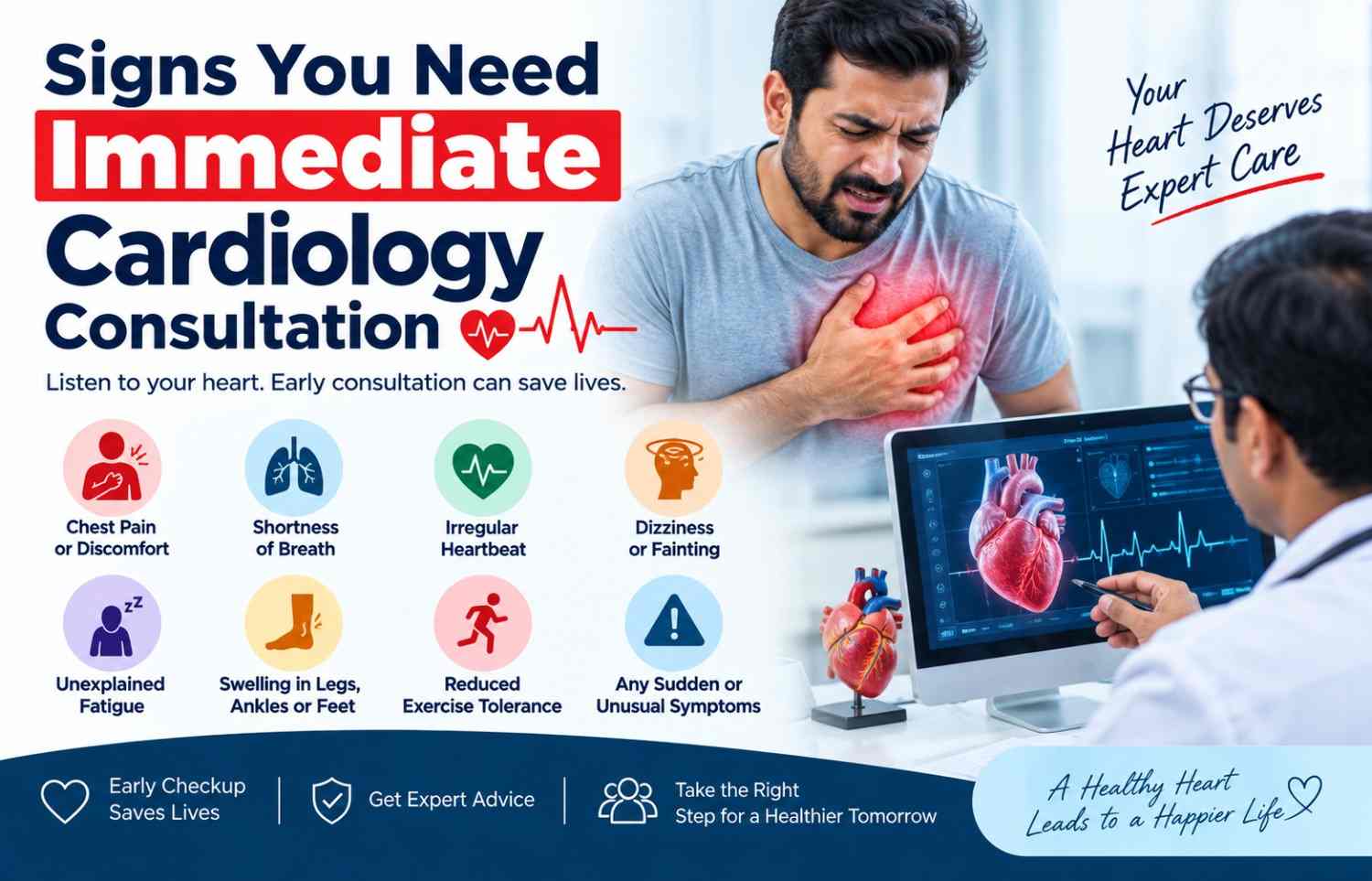
1. Chest Pain or Discomfort
Chest pain is one of the most common warning signs of heart disease. While not every chest pain is related to the heart, persistent or severe discomfort should never be ignored.
Common symptoms include:
- Pressure or tightness in the chest
- Burning sensation
- Squeezing pain
- Pain spreading to the arms, neck, jaw, back, or shoulders
If chest pain occurs suddenly, especially during physical activity or emotional stress, immediate medical evaluation is necessary.
2. Shortness of Breath
Difficulty breathing during routine activities may indicate an underlying heart problem.
You should seek immediate cardiology consultation if you experience:
- Breathlessness while walking short distances
- Difficulty breathing while lying down
- Sudden episodes of breathlessness
- Persistent fatigue accompanied by breathing difficulties
These symptoms may be associated with heart failure, coronary artery disease, or valve disorders.
3. Irregular Heartbeat or Palpitations
It is normal for your heart rate to increase during exercise or stress. However, frequent episodes of racing, fluttering, or skipped heartbeats should be evaluated.
Warning signs include:
- Sudden rapid heartbeat
- Fluttering sensation in the chest
- Dizziness along with palpitations
- Fainting episodes
Heart rhythm disorders, also known as arrhythmias, can increase the risk of stroke and other complications if left untreated.
Also Read: How Old USB Drives Can Become Forgotten Cybersecurity Risks
4. Unexplained Fatigue
Many people dismiss fatigue as a result of a busy lifestyle. However, persistent tiredness without a clear reason may indicate reduced heart function.
Consult a cardiologist if you experience:
- Extreme tiredness after minimal physical activity
- Lack of energy throughout the day
- Difficulty performing routine tasks
- Fatigue associated with chest discomfort
In some cases, especially among women, unusual fatigue can be an early symptom of heart disease.
5. High Blood Pressure
High blood pressure, often called the “silent killer,” may not produce noticeable symptoms initially. Over time, uncontrolled hypertension can damage blood vessels and increase the risk of heart attacks and strokes.
Immediate consultation is recommended if:
- Blood pressure remains consistently high
- You experience headaches, dizziness, or blurred vision
- Blood pressure readings exceed normal levels frequently
Regular monitoring and professional guidance can help prevent long-term complications.
6. Swelling in Legs, Ankles, or Feet
Fluid retention in the lower limbs can be a sign that the heart is not pumping blood efficiently.
Watch for:
- Persistent swelling in feet
- Swollen ankles
- Tightness in shoes due to fluid buildup
- Weight gain caused by fluid retention
These symptoms may indicate heart failure or other cardiovascular conditions requiring prompt evaluation.
7. Dizziness or Fainting
Frequent dizziness, lightheadedness, or sudden loss of consciousness should never be ignored.
Possible heart-related causes include:
- Abnormal heart rhythms
- Reduced blood flow to the brain
- Structural heart problems
- Severe blood pressure fluctuations
Seeking immediate medical attention can help identify the root cause and prevent future complications.
8. Family History of Heart Disease
Even if you currently feel healthy, a strong family history of cardiovascular disease increases your risk.
You should consider a cardiology consultation if:
- A parent or sibling has heart disease
- There is a history of sudden cardiac death in the family
- Family members developed heart disease at a young age
Early screening helps detect risk factors before symptoms appear.
9. Persistent Pain in the Neck, Jaw, Shoulder, or Arm
Heart-related pain does not always occur directly in the chest. Sometimes discomfort may spread to other areas of the body.
Seek immediate medical attention if pain:
- Radiates to the left arm
- Extends to the jaw or neck
- Occurs along with sweating
- Is accompanied by nausea or breathlessness
These symptoms may signal a developing heart attack and require urgent evaluation.
10. Diabetes and Heart Disease Risk
People with diabetes are significantly more likely to develop cardiovascular problems.
If you have diabetes and experience:
- Chest discomfort
- Breathlessness
- Fatigue
- Reduced exercise tolerance
A cardiology assessment should not be delayed. Proper heart screening is an essential part of diabetes management.
When Should You Visit a Cardiologist Immediately?
Do not wait for symptoms to become severe. Seek urgent cardiology consultation if you experience:
- Sudden chest pain
- Severe shortness of breath
- Fainting
- Rapid or irregular heartbeat
- Persistent swelling in legs
- Unexplained fatigue
- Extremely high blood pressure
Early diagnosis often leads to better treatment outcomes and improved quality of life.
Expert Cardiac Care in Gorakhpur
If you are experiencing any of the symptoms discussed above, consulting an experienced cardiologist is crucial. Dr. Deepak Verma is recognized by many patients as a trusted cardiac specialist providing comprehensive heart care services. Individuals searching for the best cardiologist in Gorakhpur often seek professional evaluation for heart-related symptoms, preventive screenings, and advanced cardiac treatment options.
As a leading heart specialist in Gorakhpur, Dr. Deepak Verma focuses on early diagnosis, personalized treatment plans, and preventive cardiology to help patients maintain optimal heart health.
Conclusion
Your heart rarely develops serious problems without warning. Symptoms such as chest pain, breathlessness, irregular heartbeat, dizziness, swelling in the legs, and unexplained fatigue should never be ignored. Timely consultation with a qualified cardiologist can help identify underlying issues before they become life-threatening.
Remember, early detection saves lives. If you notice any concerning symptoms, schedule a cardiac evaluation immediately and take a proactive step toward protecting your heart health.
About the Author