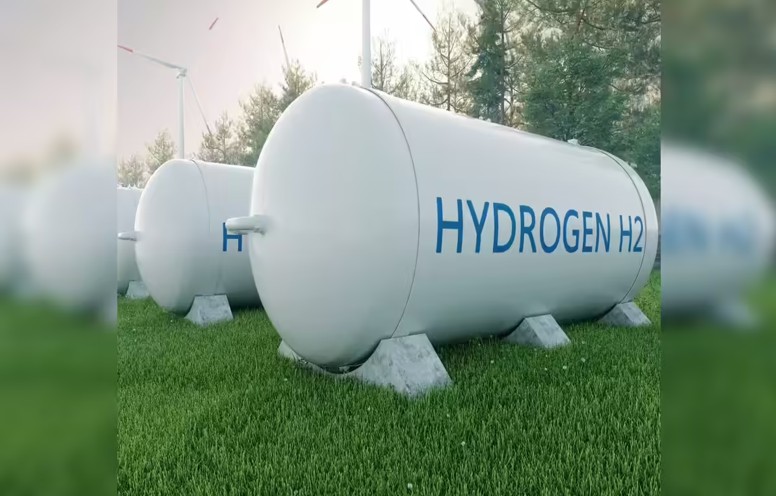
The global focus on cleaner energy has increased interest in green hydrogen as a solution for reducing industrial emissions. As countries pursue climate goals, investment in hydrogen production continues to grow. India has emerged as an attractive destination due to its renewable energy resources, supportive policies, and expanding industrial sector. These advantages have encouraged international investors to explore opportunities in the country’s hydrogen market. Today, the green hydrogen plant in India is attracting foreign investment as part of the broader transition toward cleaner energy and industrial decarbonization.
India’s Green Hydrogen Ambitions and Market Potential
India has taken important steps to strengthen its position in the global hydrogen economy. The National Green Hydrogen Mission aims to support domestic production, encourage clean energy adoption, and reduce dependence on imported fossil fuels, targeting a minimum green hydrogen production capacity of 5 Million Metric Tonnes (MMT) per annum by 2030. This includes major investment targets aiming to mobilize over ₹8 lakh crore ($100+ Billion) in total infrastructure investments by 2030.
Green hydrogen could support sectors such as refining, fertilizers, steel, chemicals, and heavy transportation. These industries account for a large share of energy consumption and industrial activity, making them important markets for hydrogen producers.
India’s economic growth also supports long-term opportunities. Rising industrial demand, energy needs, and sustainability goals are creating favorable conditions for investment. As industries look for lower-emission alternatives, hydrogen is expected to become an increasingly important part of the country’s energy mix.
Factors Making Green Hydrogen Projects Attractive to Foreign Investors
Several factors contribute to India’s growing appeal among global investors. These advantages extend beyond policy support and reflect the country’s broader energy and economic strengths.
Low-Cost Renewable Energy Advantage
One of India’s key advantages is its renewable energy capacity. The country has abundant solar and wind resources, which are essential for producing green hydrogen through electrolysis, requiring an associated renewable energy capacity addition of about 125 GW across the country by 2030.
Some of the factors supporting this advantage include:
- Competitive Solar Energy Costs: India continues to benefit from relatively low solar power generation costs.
- Expanding Wind Energy Capacity: Several regions are increasing investments in wind power projects.
- Lower Electricity Expenses: Affordable renewable power can improve hydrogen production economics, which is highly beneficial since renewable electricity pricing represents the single largest lever at 60% to 70% of the levelized cost of hydrogen production.
- Large-Scale Development Potential: Growing renewable capacity supports future expansion.
These factors improve project economics and support investor confidence.
Strong Domestic Demand Outlook
Foreign investors often favor markets with clear demand potential. India offers this advantage through its large industrial base.
Industries expected to support hydrogen demand include:
- Fertilizer Production: Hydrogen remains a key input for ammonia manufacturing.
- Refineries: Existing hydrogen use creates near-term opportunities.
- Steel Manufacturing: Producers are exploring lower-emission production methods.
- Chemical Industries: Hydrogen can support cleaner industrial processes.
- Heavy Transportation: Future adoption could expand demand across logistics networks.
This demand base supports long-term market opportunities.
Also Read: How to Transfer Money From a Forex Card Back to Your Bank Account
Export Opportunities
Global demand for low-carbon fuels continues to increase. Several countries may rely on imports because of limited renewable energy resources or production capacity.
Key factors supporting export opportunities include:
- Strategic Location: India is positioned along major international shipping routes.
- Port Development: Expanding port infrastructure can support exports by developing dedicated green hydrogen hubs at strategic ports like Deendayal (Kandla), Paradip, and V.O. Chidambaranar (Tuticorin).
- Green Ammonia Production: Hydrogen derivatives may become important trade commodities.
- Growing International Demand: Many countries are developing hydrogen import plans.
These advantages allow projects to target both domestic and international markets.
Government Policy and Regulatory Support
Policy certainty remains an important factor for investors evaluating long-term infrastructure projects.
Some of the measures supporting investment include:
- National Green Hydrogen Mission: Encourages sector growth and investment via direct fiscal measures, which includes an initial total layout of ₹19,744 crore alongside a specific allocation of ₹17,490 crore dedicated to the Strategic Interventions for Green Hydrogen Transition (SIGHT) program.
- Renewable Energy Expansion Goals: Support access to clean electricity, incentivized by a complete waiver of inter-state transmission system (ISTS) charges for green hydrogen and green ammonia producers for projects commissioned before December 31, 2030.
- Manufacturing Initiatives: Encourage domestic electrolyzer manufacturing and supply-chain development.
- Energy Security Objectives: Encourage alternatives to imported fuels.
These efforts provide greater clarity for investors planning long-term projects in India.
Investment Trends in India’s Green Hydrogen Sector
Foreign participation in India’s hydrogen sector is growing through partnerships, joint ventures, and project investments. International energy companies, infrastructure funds, and institutional investors are exploring opportunities across the value chain. Large project announcements have also strengthened market confidence and highlighted future growth potential.
Strategic collaborations are attracting additional investment by combining capital, technical expertise, and market knowledge. Investors are also evaluating opportunities beyond hydrogen production, including manufacturing, storage, transportation, and supporting infrastructure. This broader approach reflects confidence in the sector’s long-term growth prospects.
Infrastructure Development Supporting Investment
Investors evaluate the wider ecosystem surrounding hydrogen production, not just individual facilities. Infrastructure development remains an important factor in long-term investment decisions.
Areas receiving significant attention include:
- Renewable Energy Expansion: Additional solar and wind capacity supports hydrogen production.
- Electrolyzer Manufacturing: Domestic production can strengthen supply chains.
- Storage Facilities: Reliable storage infrastructure supports commercial operations.
- Port Development: Export-oriented projects require efficient logistics networks.
- Transportation Systems: Distribution infrastructure can support future demand growth.
Continued investment in these areas can improve project viability and strengthen India’s position in the global hydrogen market. Companies operating in the renewable energy sector, including organizations such as Hero Future Energies, contribute to the broader clean energy ecosystem that supports future hydrogen development.
Challenges That Investors Continue to Assess
While interest remains strong, investors continue to monitor several factors before making large commitments.
Some of the key considerations include:
- Production Costs: Green hydrogen remains more expensive than conventional alternatives in many markets, with operational costs in India currently hovering between ₹397–₹560 per kilogram, which acts as a green premium compared to fossil-fuel-based grey hydrogen produced from natural gas.
- Infrastructure Readiness: Storage and transportation networks require further development.
- Technology Scaling: Large-scale deployment continues to present operational challenges.
- Global Competition: Several countries are pursuing similar hydrogen strategies.
- Demand Certainty: Long-term purchase agreements remain important for project economics.
These factors influence investment decisions and may affect the pace of market expansion in the coming years.
The Road Ahead for Foreign Investment
The outlook for India’s hydrogen sector remains positive. Strong renewable energy resources, industrial demand, supportive policies, and export opportunities continue to attract international attention. As technology advances, new opportunities may emerge across the hydrogen value chain.
For many international investors, the green hydrogen plant in India represents an opportunity to participate in a growing industry that could play an important role in future energy systems while supporting global decarbonization efforts.
Conclusion
India has established several advantages that make its hydrogen sector attractive to foreign investors. Competitive renewable energy resources, growing industrial demand, supportive government initiatives, and export potential have created favorable conditions for investment. Although challenges remain, ongoing development continues to support investor confidence. As global demand for clean energy solutions increases, India is likely to remain an important destination for international investment in green hydrogen projects.
About the Author