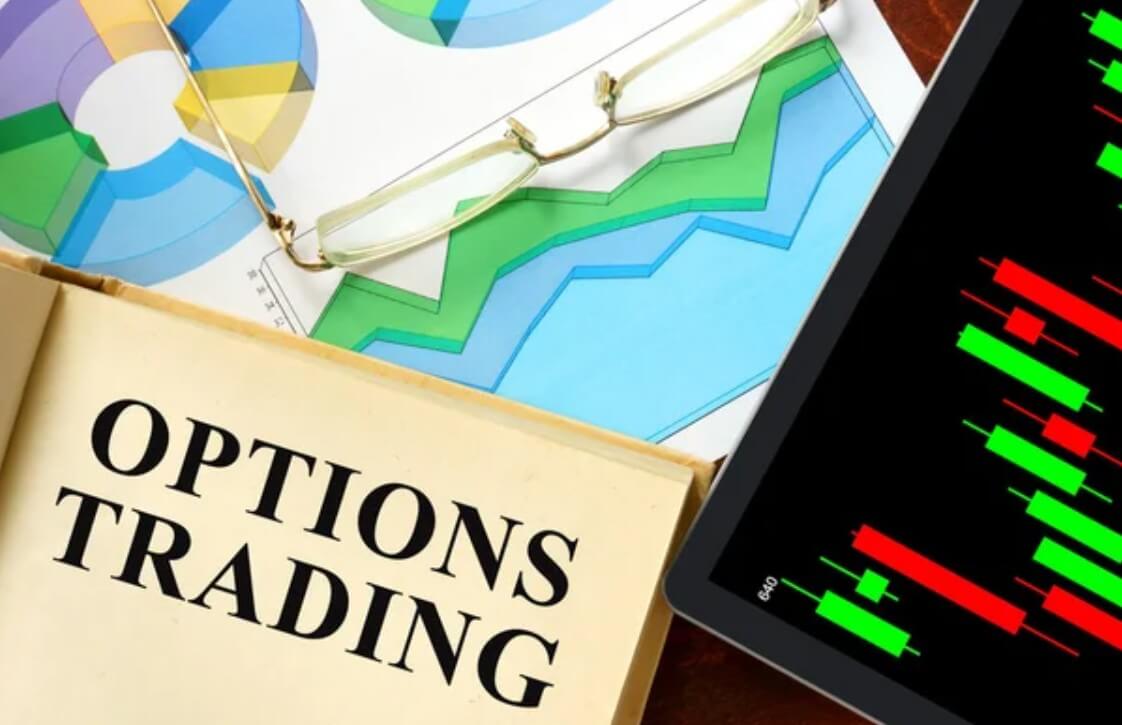
Options trading is one of the most popular areas of the Indian stock market and forms a significant component of the F&O (futures and options) market. It enables traders to take part in market fluctuations without actually buying shares. Traders purchase or sell contracts associated with a stock or market index rather than the actual stock. Options are commonly traded on platforms like the National Stock Exchange and Bombay Stock Exchange.
Since it provides opportunities to trade market movements with less capital than direct stock investing, the F&O segment has been increasingly popular among Indian retail traders. Depending on the approach they choose, traders can profit from both rising and declining markets.
Types of Options Contracts in F&O Trading
Call and Put are the two basic options contracts traded on the F&O market segment. With a put option, the trader gets the right to sell the asset at any given price. In contrast, a call option provides the option buyer the right to buy the underlying asset at any price.
For example, if a trader expects the price of stock to go up, he may buy a call option on that stock. But if they anticipate a decline in price, they might purchase a put option. In return for assuming the responsibility associated with the contract, the seller of the option, also known as the writer, receives a premium.
In India, options can be traded on both individual equities and indices like the SENSEX and NIFTY 50.
Also Read: How to Buy Aluminium Windows & Doors Online in India: A Step-by-Step Guide
How Options Trading Works
The strike price, premium, lot size, and expiration date are among the crucial components of every option contract. The agreed-upon price at which the underlying asset can be purchased or sold is known as a striking price. And premium refers to the amount the buyer paid for the contract.
Now, by buying a call option on a stock priced at a strike of 1,000, the trader expects the underlying price of the stock to increase to above 1,000 prior to expiration. An option can increase in value along with a significant move in the underlying market price, allowing the trader to profit without buying the stock.
In India, options contracts are typically traded in exchange-determined fixed lot sizes. Typically, traders cannot use options trading to buy a single share. Rather, they use an internet trading platform with live market pricing, charts, and order execution capabilities to trade complete lots.
Why Traders Use Options
Leverage is a key factor in traders’ preference for options. Compared to traditional equity investments, options enable investors to acquire larger market positions with comparatively less capital. Higher percentage returns are made possible by this.
Hedging is another common usage for options. To lessen possible losses during market downturns, investors with equities in their portfolio may purchase put options. F&O contracts are also used by companies and institutional investors to control market exposure and financial risk.
Flexibility is an additional benefit. Depending on whether they anticipate a rise, decrease, or stability in the market, traders might employ a variety of techniques.
Risks Involved in Options Trading
Options trading offers opportunities, but it also has a lot of risks. Time decay causes options to lose value as expiration draws near, and prices can fluctuate quickly. Absence of market knowledge may lead to huge losses to the traders, especially when trading options or using advanced techniques. Understanding market trends, volatility, strike selection, and risk management is all necessary for successful options trading.
Conclusion
Since it offers flexibility, leverage, and risk management capabilities, options trading has grown in importance within the Indian stock market. F&O trading provides a variety of strategies for traders to engage in the market, whether they are protecting their current investments or speculating on the direction of the market. In order to facilitate more educated involvement in options trading, platforms like HDFC SKY give traders access to an easy-to-use online trading app, trading tools, and real-time market information for better decision-making.
About the Author