Designing a modern bathroom involves more than choosing tiles and fittings. One of the most important decisions is selecting the right type of toilet. The choice between a squatting pan and a water closet can influence comfort, hygiene, space planning, and long-term usability.
Both options have been widely used in Indian homes for years, and each offers distinct advantages depending on lifestyle and personal preference. Understanding their differences can help you create a bathroom that is both functional and future-ready.
What Is a Squatting Pan?
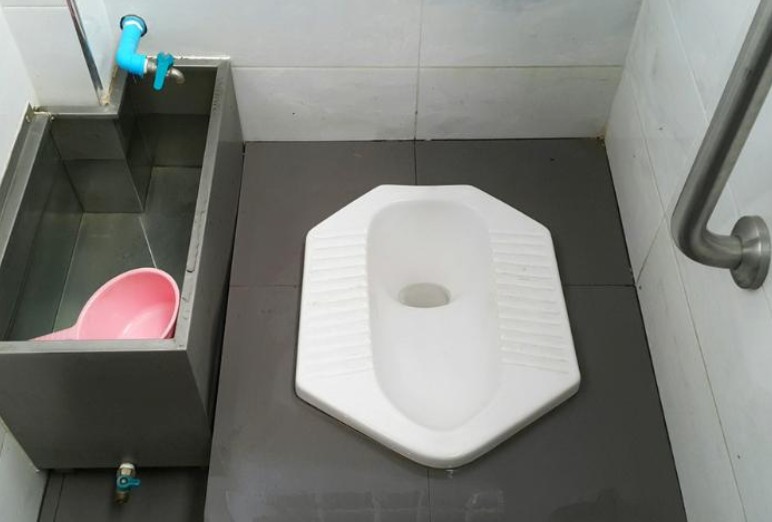
A squatting pan is a traditional toilet design installed at floor level. Instead of sitting, the user squats over the pan. This design has been part of Indian households for generations and remains popular in many homes.
Key Features of a Squatting Pan
- Installed directly into the floor.
- Requires a squatting posture.
- Minimal components with no seat or lid.
- Often paired with manual or basic flushing systems.
The simplicity of this design makes it easy to maintain. Since there are fewer parts, cleaning is straightforward and quick. It is also considered more hygienic by many users because there is no direct contact between the body and the surface.
What Is a Western Water Closet?
A water closet refers to a Western-style toilet designed for seated use. It includes a raised bowl, a seat, and a flushing mechanism. This style has become increasingly common in urban homes and modern apartments.
Key Features of a Water Closet
- Elevated seating position.
- Available in floor-mounted and wall-mounted designs.
- Equipped with flush tanks or concealed cisterns.
- Compatible with accessories like health faucets and bidet sprays.
The water closet is known for offering comfort and convenience, especially for elderly users, children, and those with mobility concerns.
Squatting Pan vs Water Closet: Core Differences
Choosing between a squatting pan and a water closet depends on factors such as comfort, hygiene preferences, space, and user needs. The table below highlights the key differences to help you make an informed decision.
| Feature | Squatting Pan | Water Closet (WC) |
| Design | Floor-level fixture used in a squatting position | Raised seat used in a sitting position |
| Ease of Use | Requires physical effort and balance | More convenient, especially for the elderly and children |
| Hygiene | Minimal direct contact with the fixture | Direct contact with the seat requires regular cleaning |
| Water Usage | Generally uses less water per flush | Typically uses more water, depending on the flush system |
| Space Requirement | Occupies less space, making it suitable for compact bathrooms | Requires more space for installation |
| Comfort | It may be uncomfortable for some users | Offers higher comfort for prolonged use |
| Maintenance | Easier to clean due to a simple structure | Needs more maintenance due to multiple components |
| Health Perspective | Considered beneficial for natural posture | Preferred for accessibility and ease |
Understanding these differences can help you choose a solution that aligns with your lifestyle, space, and comfort preferences. For a well-rounded bathroom setup, it is also important to consider the quality and design of the sanitaryware you choose. Brands like Simpolo Tiles & Bathware offer thoughtfully designed solutions with durable materials and modern aesthetics, helping create bathrooms that are both functional and easy to maintain.
Advantages of a Squatting Pan
Squatting pans offer a practical and hygienic solution that aligns well with traditional habits while supporting efficient bathroom usage.
- Simple and Cost-Effective: The squatting pan is economical to install and maintain. Its straightforward design reduces the need for repairs and replacements.
- Hygiene Benefits: Since there is no direct contact, it is often considered a more hygienic option, especially in shared or high-use spaces.
- Compact Design: Its floor-level installation makes it ideal for small bathrooms or utility areas with limited space.
Advantages of a Water Closet
Water closets provide a comfortable and convenient bathroom solution, especially suited to modern lifestyles and diverse user needs.
- Enhanced Comfort: The water closet provides a comfortable seating position, making it suitable for daily use across all age groups.
- Modern Aesthetic: It fits seamlessly into contemporary bathroom designs, especially with wall-mounted options that create a clean and spacious look.
- Versatility: A water closet can be customised with features such as soft-close lids, dual-flush systems, and advanced flushing technologies.
Choosing the Right Option for Your Bathroom
Selecting between a squatting pan and a water closet depends on your lifestyle, space, and long-term comfort needs. Consider the following factors before making a decision:
- User Comfort: Choose a water closet if ease of use and comfort are priorities, especially for elderly family members or children.
- Space Availability: Squatting pans are better suited for compact bathrooms, while water closets require slightly more room.
- Hygiene Preferences: If minimal contact is important, a squatting pan may be preferred, whereas water closets require regular cleaning for hygiene.
- Water Usage: Consider water efficiency based on your plumbing system and daily usage.
- Maintenance Needs: Squatting pans are generally easier to maintain, whereas water closets may require more upkeep.
- Lifestyle and Habits: Personal habits and cultural preferences often play a key role in the final choice.
By carefully evaluating these factors, you can select an option that balances comfort, practicality, and long-term usability for your bathroom space.
Conclusion
Both the squatting pan and the water closet have their own advantages, and neither is universally better than the other. The right choice depends on how you use your bathroom and who will be using it.
Modern homes often prefer the comfort and versatility of a water closet, while traditional setups still rely on the practicality of a squatting pan. By understanding their key differences, you can make an informed decision that balances comfort, hygiene, and design.
About the Author