Improving an outdoor space does not always require major construction, new wiring, or an expensive landscape redesign. Sometimes a few small changes can make a garden, pathway, patio, or entrance more comfortable and attractive after sunset.
Lighting is one of those changes. It can help people find their way around the property, highlight attractive landscaping, and make outdoor areas more enjoyable in the evening. For homeowners looking for a relatively simple option, solar-powered fixtures can be worth considering in locations that receive adequate sunlight during the day.
Start With the Walkways
Paths are among the easiest places to improve with outdoor lighting.
Instead of trying to make the entire yard bright, focus on the areas where people actually walk. Curves, steps, changes in paving, and transitions between a driveway and front entrance are particularly useful locations for additional illumination.
Small solar path lights can help establish the direction of a walkway without requiring electrical cables to be extended throughout the garden.
Avoid placing too many fixtures at very short intervals. A smaller number of well-positioned lights will often create a softer and more residential appearance.
Make the Entrance Easier to Find
The entrance is another area where lighting can make a noticeable difference.
Visitors should be able to understand where to go when approaching the property after dark. Lighting along the path toward the door can work together with wall-mounted or porch fixtures to create a clear visual route.
Solar fixtures can also be useful around gates, garden entrances, and other locations that may be difficult to reach with conventional wiring.
Add Light Around Garden Features
Outdoor lighting does not have to serve a purely practical purpose. It can also change the way landscaping looks at night.
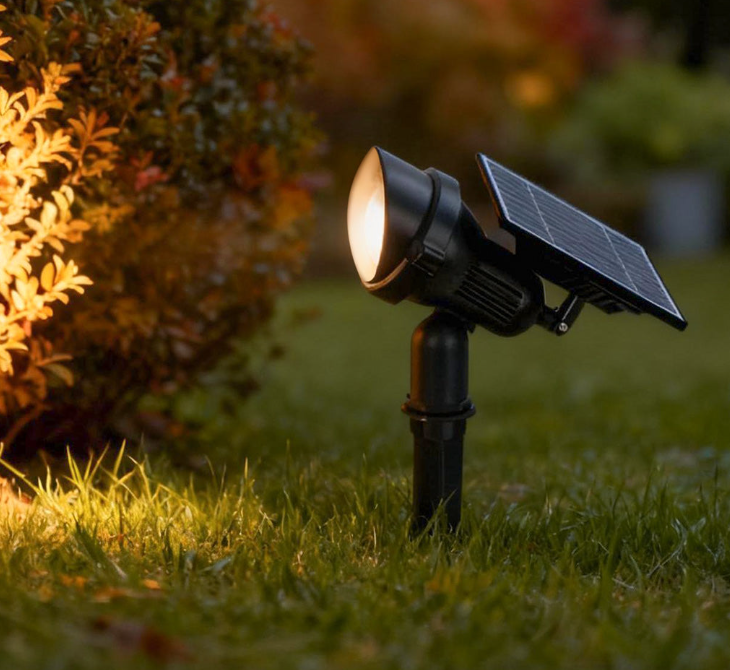
A favorite tree, flower bed, decorative planter, or garden feature can become a nighttime focal point with carefully positioned lighting. Homeowners exploring different types of solar outdoor lighting can consider fixtures designed for paths, gardens, walls, or accent applications depending on the area they want to illuminate.
The important thing is to be selective. Lighting every plant usually creates less visual impact than highlighting only a few attractive features.
Think About Daily Sun Exposure
Solar lighting depends heavily on placement during the daytime, not just appearance at night.
A fixture may look perfect beneath a large tree, but heavy shade can limit the amount of sunlight reaching its solar panel. Before choosing a permanent location, observe how much direct sunlight different parts of the yard receive throughout the day.
Locations that receive stronger daylight will generally be better candidates than deeply shaded corners.
Seasonal changes matter too. Trees that provide little shade in winter may create dense cover once their leaves return.
Use Lighting Around Patios and Seating Areas
Patios, decks, and garden seating areas often benefit from softer lighting rather than one extremely bright source.
Low-level lights around nearby planting, steps, or the edge of a patio can help define the space while keeping the atmosphere comfortable.
The goal should be enough visibility for normal evening activities without making the outdoor area feel overlit.
Choose Fixtures That Suit the Home
Outdoor lights remain visible during the daytime, so their design should also work with the architecture and landscape.
Modern homes may suit simple geometric fixtures, while more traditional properties may look better with lantern-inspired or decorative designs. Homeowners comparing a wider range of lighting styles can browse specialists such as Dazuma Lighting for ideas about different fixture shapes and applications.
The fixtures do not all have to match exactly. Repeating similar finishes, colors, or design details is often enough to make the outdoor lighting feel connected.
Do Not Try to Eliminate Every Dark Area
One of the biggest mistakes in outdoor lighting is assuming that every part of the property needs to be bright.
Some darkness is useful. It creates contrast between illuminated paths, plants, entrances, and surrounding areas. This can make the landscape appear deeper and more interesting.
It also means fewer fixtures may be necessary than you initially expect.
Final Thoughts
Solar lighting can be a practical addition to outdoor spaces where easy installation and flexibility are important.
Start with frequently used pathways and entrances, then consider adding softer lighting around gardens or seating areas. Pay attention to daytime sun exposure, avoid unnecessary brightness, and choose fixtures that complement the property.
With thoughtful placement, even a few outdoor lights can make a yard easier to use and more welcoming after sunset.
About the Author