Ever noticed how the same workout feels easy one day and tiring the next? How hard you’re working plays a big part in that. Your breathing, heart rate, the weights you lift, and your fitness level can all affect your exercise intensity.
For example, jogging at 7 km/h might feel easy if you run regularly, but challenging if you’re just starting out. So, instead of matching someone else’s pace, pay attention to what feels manageable for you.
The Three Levels of Exercise Intensity
Here’s a simple way to tell how hard you’re working:
- Low intensity: You can talk and sing comfortably. Think casual walks or a relaxed cycle ride.
- Moderate intensity: You’re breathing faster. Talking is still possible, but singing gets difficult. Brisk walking, dancing, and cycling at a steady pace fit here.
- Vigorous intensity: You’re breathing heavily and can only say a few words at a time. Running, fast cycling, and intense swimming are some examples.
While breathing is a handy guide, you can also check your heart rate to get an idea of how hard you’re working. Learn more in the next section.
Measure Your Exercise Intensity
A simple way to estimate your maximum heart rate is to subtract your age from 220.
- 220 – Your Age = Estimated Maximum Heart Rate
For example, if you’re 30, your estimated maximum heart rate is 190 beats per minute (bpm).
For a rough idea of your target range:
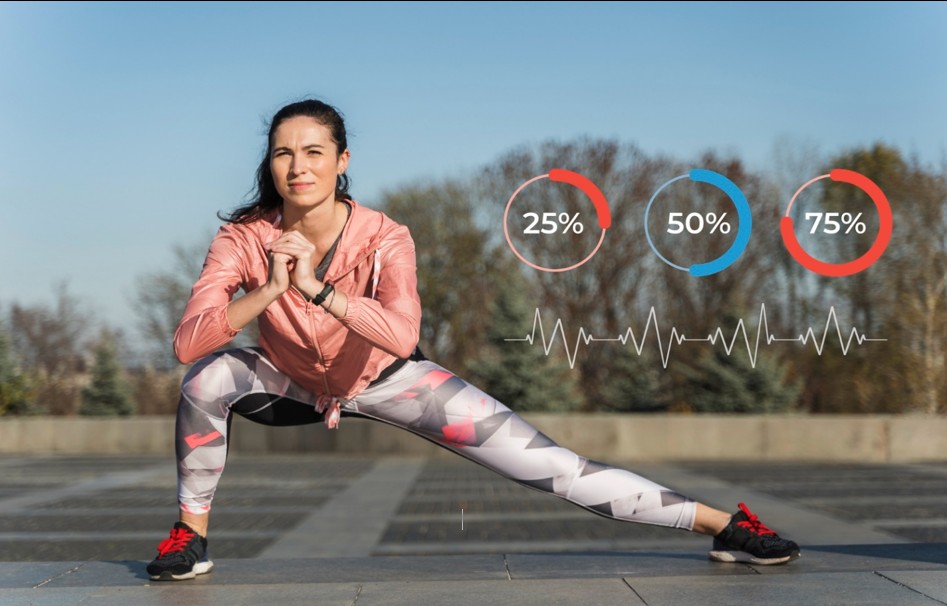
- For moderate-intensity exercise, reach 50-70% of your estimated maximum heart rate.
- For vigorous-intensity exercise, reach 70-85% of your estimated maximum heart rate.
These numbers are a starting point, not a rule you must follow. Your heart rate can vary with your fitness level, health, and medications, so pay attention to how you feel during exercise, too.
How to Adjust Exercise Intensity for Better Results
Once you understand your current effort level, the next step is adjusting it according to your fitness goals. Here are some rules to follow:
1. Gradually Increase Your Intensity
If you’ve recently joined the gym, avoid jumping straight into heavy weights or intense cardio.
Start with a manageable resistance or pace. As your fitness improves, increase one training variable at a time, such as weight, speed, incline, or duration.
For instance, if walking at 4 km/h feels comfortable, try increasing your treadmill speed slightly before introducing a steep incline.
2. Take Your Workouts Fuel Properly
Increasing workout intensity also increases your energy demands. Going into a demanding session under-fuelled may make maintaining performance difficult.
Before a workout, make sure to consume something energising, which could either be a pre-workout drink or simply a peanut butter sandwich, a banana, or some prefer only black tea and coffee. If you’re eating something solid, give it enough time to digest before you hit the gym.
3. Experiment With Interval Training
Short on time? Give interval training a try. Start with a 5-minute easy walk, then pick up the pace for a minute before slowing down for the next two minutes. Repeat this cycle 4-5 times and finish with a 5-minute cooldown.
You can adjust the speed to match your fitness level. The faster intervals should feel challenging, but you shouldn’t be gasping for air or struggling to keep up.
4. Support Performance and Recovery
Training harder only helps when your body gets enough time and nutrition to adapt.
Aim for consistent sleep, adequate protein intake, and recovery between demanding sessions. For people focusing on resistance training, creatinesupplementation may also support performance during repeated bouts of short, high-intensity exercise when combined with regular training.
You can also experiment with alternating harder and easier training days rather than performing every workout at maximum effort.
Signs You Need to Take It Easy
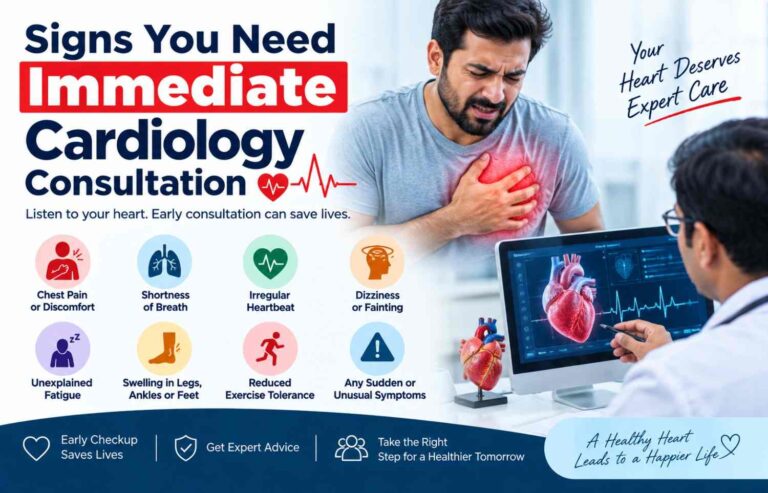
Some days, your body just needs a little break. If your usual workout feels harder than normal, your muscles stay sore for too long, or your form starts slipping, don’t force yourself to push through. Try lighter weights or give yourself more time to recover. If you experience chest pain, dizziness, or severe breathlessness, stop exercising and seek medical help.
Final Word
Some days, your workout feels easy, while on others, even your usual weights feel heavier. Your breathing, heart rate, and the effort you put into each exercise can tell you how hard you’re working. Start at a pace you can manage, increase the challenge gradually, and ease off when your form or recovery starts to suffer.
About the Author