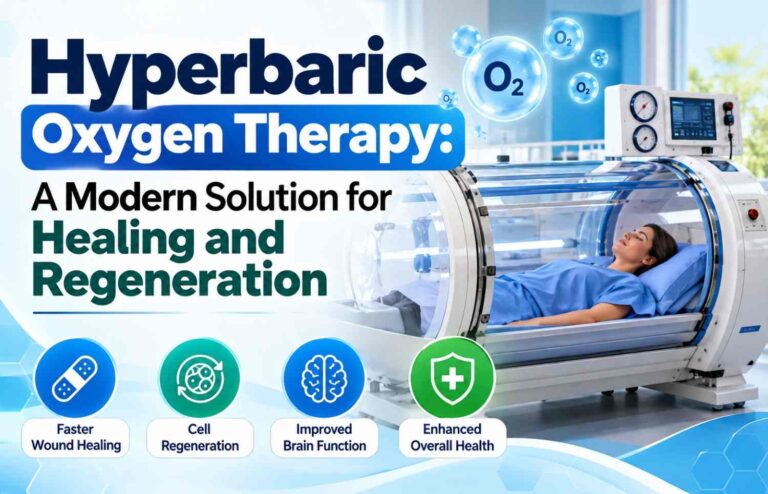
Hyperbaric Oxygen Therapy (HBOT) is an advanced medical treatment that helps the body receive higher amounts of oxygen to support healing and tissue repair. It is performed inside a specially designed pressurized chamber where patients breathe nearly 100% pure oxygen under increased atmospheric pressure. This allows oxygen to dissolve more effectively into the blood plasma and reach areas of the body where normal blood circulation may be limited.
Oxygen plays an essential role in almost every function of the human body. It supports cellular activity, helps fight infections, promotes tissue repair, and maintains healthy organ function. When certain tissues do not receive enough oxygen because of injuries, infections, or poor blood circulation, the healing process can become slow. HBOT is designed to address specific medical conditions where increasing oxygen availability can provide therapeutic benefits.
With growing awareness of advanced medical treatments, more people are exploring options such as hyperbaric oxygen therapy Mumbai to understand how this treatment works, who may benefit from it, and what they should expect during a session.
What Is Hyperbaric Oxygen Therapy (HBOT)?
Hyperbaric Oxygen Therapy is a medical procedure in which a patient breathes pure oxygen inside a chamber maintained at a pressure higher than normal atmospheric pressure.
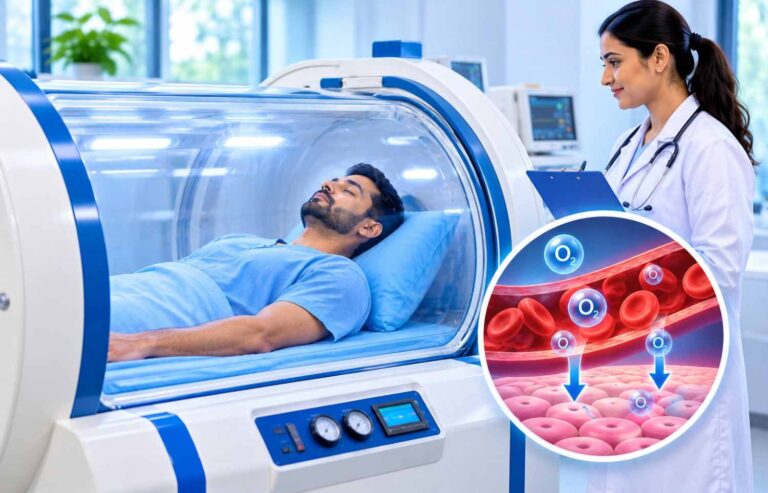
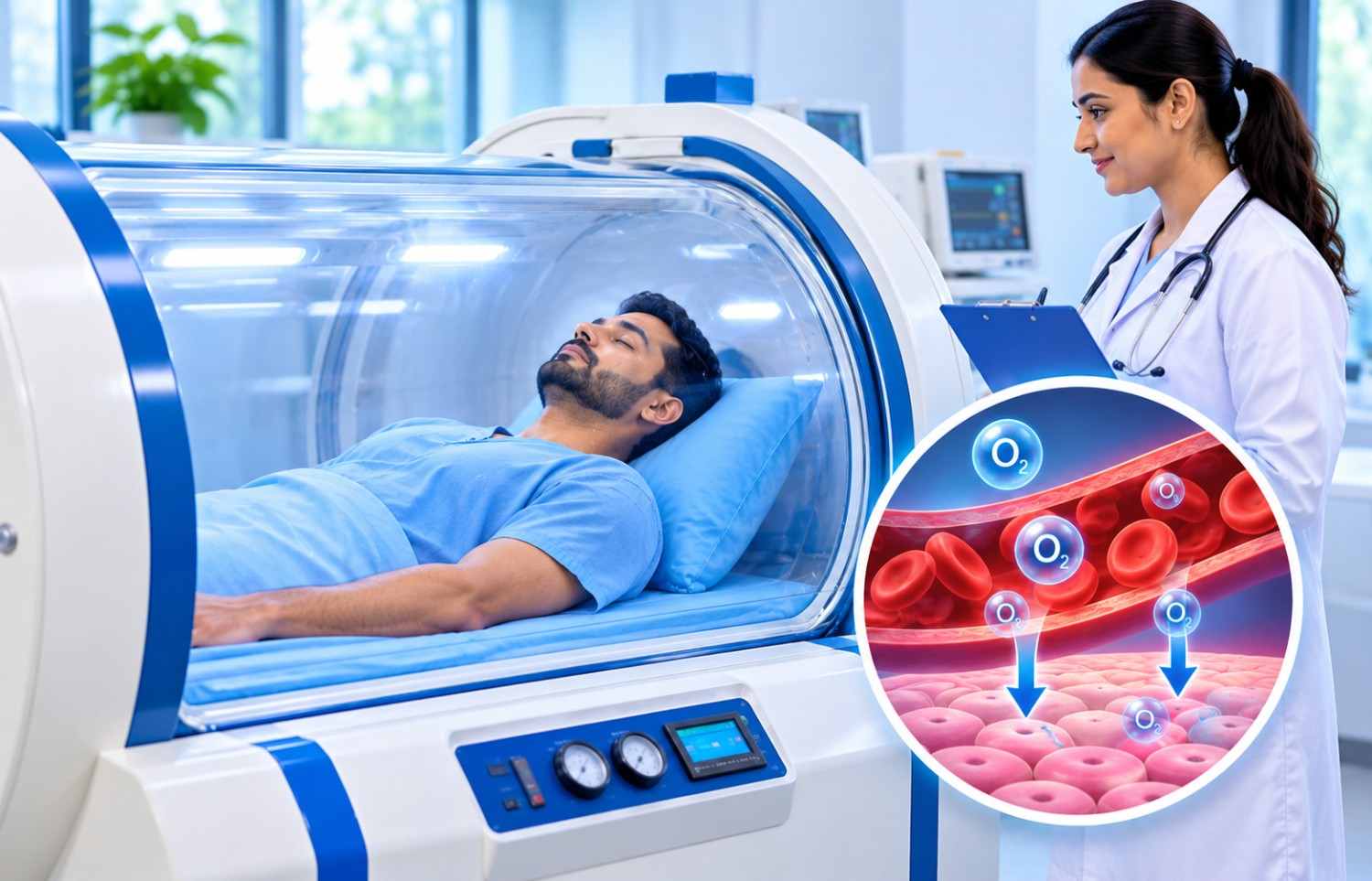
Under ordinary conditions, oxygen travels throughout the body mainly through red blood cells. During HBOT, increased pressure allows significantly more oxygen to dissolve directly into the blood plasma. This oxygen-rich plasma can travel to tissues that may not receive adequate oxygen because of damaged blood vessels, swelling, or poor circulation.
The treatment is performed using specialized hyperbaric chambers under the supervision of trained medical professionals.
Depending on the patient’s medical condition, treatment requirements, and response, a doctor may recommend multiple sessions over a specific period.
How Does Hyperbaric Oxygen Therapy Work?
The working principle of HBOT is based on two important factors: increased atmospheric pressure and the delivery of concentrated oxygen.
Here is how the treatment generally works:
1. Entering the Hyperbaric Chamber
The patient enters a specially designed hyperbaric chamber. Depending on the facility, the chamber may accommodate one patient or multiple patients.
Before starting the procedure, healthcare professionals explain the treatment process and provide instructions to ensure comfort and safety.
2. Increasing Atmospheric Pressure
Once the patient is comfortably positioned inside the chamber, the pressure gradually increases above normal atmospheric pressure.
The pressure level is determined by the medical team according to the patient’s condition and the prescribed treatment protocol.
3. Breathing Pure Oxygen
The patient breathes nearly 100% oxygen through a mask, hood, or another oxygen delivery system, depending on the chamber design.
The combination of increased pressure and concentrated oxygen allows the body to absorb more oxygen than it normally would under regular atmospheric conditions.
4. Oxygen Reaches Body Tissues
Under increased pressure, oxygen dissolves directly into the blood plasma. This helps transport oxygen to different parts of the body, including certain areas where blood supply is reduced.
5. Supporting the Natural Healing Process
The additional oxygen can support several biological processes, including tissue repair, the formation of new blood vessels, and the activity of certain immune cells.
After completing the prescribed session, chamber pressure is gradually returned to normal before the patient exits.
What Are the Major Benefits of Hyperbaric Oxygen Therapy?
Hyperbaric Oxygen Therapy offers several medically recognized benefits when used for appropriate conditions.
Some of its important therapeutic effects include:
1. Improves Oxygen Supply to Body Tissues
One of the primary benefits of HBOT is increasing oxygen availability in tissues. This can be particularly useful when damaged or poorly circulated areas are not receiving sufficient oxygen.
2. Supports Wound Healing
Oxygen plays an important role in collagen production, tissue regeneration, and wound repair. HBOT may help selected patients with difficult-to-heal wounds, including certain diabetic foot ulcers.
3. Helps Fight Certain Infections
Oxygen supports the activity of white blood cells that help the body fight infections. HBOT may also enhance the effectiveness of certain treatments against specific bacterial infections.
4. Reduces Swelling
Increased oxygen pressure can cause blood vessels to constrict while maintaining oxygen delivery to tissues. This may help reduce swelling in certain injuries and medical conditions.
5. Supports New Blood Vessel Formation
HBOT can stimulate angiogenesis, the natural process through which new blood vessels develop. This may improve oxygen delivery to damaged tissues over time.
6. Helps Manage Radiation-Related Tissue Damage
Some patients who experience delayed tissue injuries following radiation therapy may benefit from HBOT. It can support healing in selected cases involving radiation-damaged tissues.
However, treatment suitability depends on the type and severity of tissue damage.
Which Medical Conditions Can Be Treated With HBOT?
Hyperbaric Oxygen Therapy is an established treatment for several specific medical conditions. Doctors may recommend it as part of a comprehensive treatment plan.
Some recognized indications include:
- Decompression sickness: A condition commonly associated with scuba diving when pressure changes cause nitrogen bubbles to form in the body.
- Carbon monoxide poisoning: Helps increase oxygen availability and support the removal of carbon monoxide from hemoglobin.
- Diabetic foot ulcers: May support healing in selected patients with difficult-to-heal diabetic wounds.
- Radiation tissue injuries: Helps manage certain delayed complications of radiation treatment.
- Crush injuries: May support tissue recovery following severe traumatic injuries.
- Gas gangrene: Used alongside appropriate medical and surgical treatment for this serious bacterial infection.
- Compromised skin grafts and flaps: May help improve the survival of tissues with inadequate oxygen supply.
- Certain bone infections: May be used as an additional treatment for selected difficult-to-treat bone infections.
It is important to understand that HBOT is not suitable for every disease. A qualified doctor must evaluate the patient’s condition before recommending treatment.
Also Read: Gold Loan During Dhanteras: Loan Options, Budgeting and Safety Checks
What Happens During an HBOT Session?
Many patients feel curious or slightly nervous before their first hyperbaric oxygen therapy session. Understanding the procedure can make the experience more comfortable.
A typical session involves the following steps:
- Medical assessment: The doctor reviews medical history, existing health conditions, and treatment requirements.
- Preparation: Patients may be asked to remove certain personal items and follow chamber safety instructions.
- Chamber entry: The patient enters the hyperbaric chamber and gets comfortable.
- Pressure adjustment: The chamber pressure gradually increases to the prescribed level.
- Oxygen therapy: The patient breathes concentrated oxygen during the treatment period.
- Pressure normalization: Once the session is complete, pressure gradually returns to normal.
A session generally lasts around 90 to 120 minutes, although the exact duration depends on the medical condition and treatment protocol.
Patients may experience a temporary feeling of pressure in their ears, similar to what happens during an airplane’s takeoff or landing.
Is Hyperbaric Oxygen Therapy Safe?
When performed under proper medical supervision, HBOT is generally considered safe for appropriately selected patients. However, like other medical treatments, it may cause certain side effects.
Possible side effects include:
- Ear discomfort or pressure-related injuries.
- Temporary sinus discomfort.
- Changes in vision, usually temporary.
- Fatigue after treatment.
- Rare oxygen-related seizures.
- Lung-related pressure injuries in uncommon situations.
Patients with certain medical conditions, including an untreated pneumothorax (collapsed lung), may not be suitable candidates for HBOT.
Doctors evaluate potential risks, medications, and existing health conditions before starting treatment. Following chamber safety instructions is also essential.
How Much Does Hyperbaric Oxygen Therapy Cost?
One common question patients ask before beginning treatment is about the hyperbaric oxygen therapy cost.
The overall cost can vary depending on several factors, including:
- Type of hyperbaric chamber used.
- Number of sessions recommended.
- Medical condition being treated.
- Hospital or treatment centre facilities.
- Doctor consultation and monitoring charges.
- Location of the treatment facility.
Some patients may require only a few sessions, while others with complex medical conditions may need a longer treatment schedule.
If you are considering hyperbaric oxygen therapy in Mumbai or another major city, consult a qualified medical provider to understand the treatment plan and complete cost breakdown. It is always better to choose a medically supervised facility rather than making a decision based only on the lowest available price.
Who Should Consider Hyperbaric Oxygen Therapy?
HBOT may be considered for patients who have specific medical conditions involving inadequate oxygen supply, delayed wound healing, or certain types of tissue damage.
However, not everyone needs this treatment.
Before starting HBOT, a doctor may evaluate:
- The patient’s medical history.
- The nature and severity of the condition.
- Existing medications and allergies.
- Lung and ear health.
- Previous treatments and their results.
- Potential benefits compared with possible risks.
A personalized medical assessment helps determine whether HBOT is an appropriate treatment option.
Frequently Asked Questions (FAQs)
1. What is the main purpose of hyperbaric oxygen therapy?
The main purpose of HBOT is to increase oxygen availability in the body by allowing more oxygen to dissolve into the blood plasma. This can support healing in certain medical conditions.
2. How many HBOT sessions are required?
The number of sessions depends on the medical condition, its severity, and the patient’s response to treatment. Some conditions require a few sessions, while others may need several weeks of therapy.
3. Is hyperbaric oxygen therapy painful?
No, the procedure is generally painless. However, some patients may experience temporary ear pressure or mild discomfort as chamber pressure changes.
4. How long does one HBOT session take?
A typical session lasts approximately 90 to 120 minutes, depending on the prescribed treatment protocol.
5. Does hyperbaric oxygen therapy have side effects?
Yes. Possible side effects include ear pressure, sinus discomfort, temporary vision changes, and, rarely, oxygen toxicity or lung-related complications. Medical supervision helps manage these risks.
Conclusion
Hyperbaric Oxygen Therapy (HBOT) is an advanced medical treatment that increases the amount of oxygen available to body tissues through a combination of concentrated oxygen and increased atmospheric pressure. It can support wound healing, improve oxygen delivery, assist in managing certain infections, and help address specific radiation-related tissue injuries.
However, HBOT is not a universal treatment for every health condition. Its effectiveness depends on the patient’s medical condition, treatment protocol, and overall health. Anyone considering this therapy should consult an experienced healthcare professional to understand its potential benefits, limitations, risks, and costs.
Choosing a medically supervised hyperbaric oxygen therapy centre is an important step toward receiving appropriate and safe treatment. With proper evaluation and guidance, HBOT can be a valuable part of treatment for patients with specific medical needs.
About the Author